
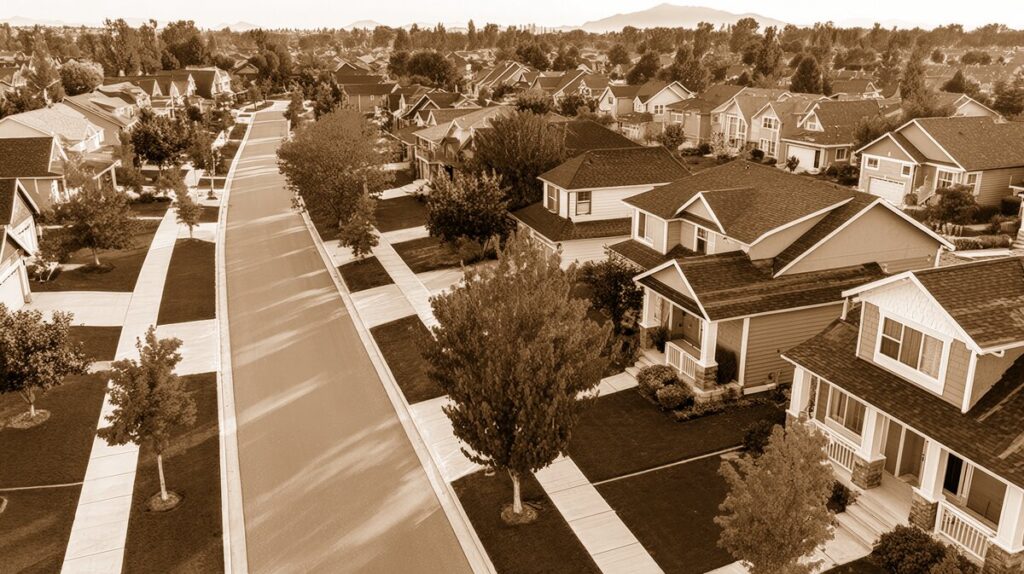
Nestled in the northern reaches of Glendale, Arizona, the Sierra Verde neighborhood has long held a unique place in the city’s story. For lifelong residents and newcomers alike, Sierra Verde is more than just a collection of homes—it’s a community built on rich local heritage, thoughtful planning, and a deep connection to both nature and neighborliness. Whether you’re strolling its scenic greenbelts or chatting with a neighbor on a cool desert evening, you’ll sense the enduring charm and history that shape this beloved part of Glendale.
The Origins of Sierra Verde
Sierra Verde’s history traces back to the late 1980s and early 1990s, a time of transformation and northward expansion in Glendale. As city planners anticipated new waves of families looking for safe, friendly neighborhoods with access to quality schools, they set their sights on what was then largely open desert north of Bell Road and west of 67th Avenue. The area was prized for its gently rolling terrain and, unlike the more arid parts of Glendale, the promise of lush, landscaped common spaces—a unique vision for suburban living at the time.
The name “Sierra Verde” reflects this blend of setting and aspiration. In Spanish, “sierra” means “mountain range” and “verde” means “green.” The name was chosen to evoke the neighborhood’s proximity to the Deem Hills and Hedgepeth Hills to the west—low, rugged peaks that catch evening light—and to highlight the developers’ commitment to tree-lined streets, grassy parks, and vibrant, sustainable landscaping amid the Sonoran Desert.
Early Development and Community Vision
The master development of Sierra Verde began in earnest in the early 1990s, attracting several prominent builders and quickly gaining a reputation for thoughtful design. Key aspects that set Sierra Verde apart from other emerging Valley neighborhoods included:
- Well-maintained greenways and walking/biking paths connecting nearly every part of the neighborhood
- Central parks and recreation spaces, with Sierra Verde Park at 67th Avenue and Arrowhead Loop Drive becoming the proud heart of the community
- An emphasis on community events—from spring picnics to fall festivals—that fostered a neighborly spirit from the very start
Streets like Utopia Road, Greenway Road, and Rose Garden Lane soon became familiar markers for residents and visitors alike, guiding families home and leading to hidden gems around every corner.
Landmarks, Parks, and Institutions
Sierra Verde is home to several iconic neighborhood landmarks. Perhaps none is more beloved than Sierra Verde Park, a 16-acre gem with shaded playgrounds, sprawling lawns, baseball fields, and meandering paths. For generations of families, weekend games and birthday parties at this park have woven themselves into the fabric of local history.
At the educational heart of the neighborhood stands Sierra Verde STEAM Academy. Built in 2001, the school’s emphasis on Science, Technology, Engineering, Arts, and Math mirrors the community’s forward-looking ethos. Generations of students have walked or biked to class under the canopy of Palo Verde and Mesquite trees, forming lifelong friendships along the way.
Other spaces hold special meaning, too, such as:
- The neighborhood’s picturesque lakes and retention basins, which not only manage desert runoff but offer peaceful settings for birdwatching and reflection
- Proximity to Thunderbird Conservation Park, just a quick drive north, where hiking trails and panoramic vistas celebrate Glendale’s natural beauty
Historical Milestones
Over the decades, a number of pivotal milestones have defined Sierra Verde’s growth and spirit:
- 1994: Sierra Verde Homeowners Association was established, ensuring a high standard of maintenance and neighborhood engagement
- 1997: Community-driven landscaping reimagined the look of main entryways, enhancing curb appeal and neighborhood pride
- 2001: Sierra Verde STEAM Academy opened its doors, quickly becoming one of the area’s highest-performing schools
- 2005-2015: The neighborhood saw waves of new residents as Glendale and the greater Arrowhead Ranch area became a premier destination for families and young professionals alike
Throughout periods of change—economic booms, recessions, and the city’s rise as a sporting and cultural hub—Sierra Verde has remained steady, adapting while retaining its welcoming character.
The Changing Face of Sierra Verde
While the architectural style of homes has evolved over time—from Spanish revival to subtle modern touches—the neighborhood’s founding vision has endured. Today, you can still find mature shade trees arching over wide sidewalks, families setting up lawn chairs for Friday night gatherings, and kids pedaling to the park at sunset.
Some notable changes over the years include:
- The rise of community gardening initiatives, encouraging sustainable living and local food-growing
- An increase in neighborhood watch groups, reflecting a strong commitment to safety and cooperation
- Ongoing upgrades to green spaces and playgrounds, blending tradition with the latest best practices for accessibility and recreation
Sierra Verde’s blend of serene streets, vibrant parks, and strong community ties makes it not just a place to live but a place to belong. For many residents, it’s the kind of neighborhood where holiday lights are hung with pride each December, where neighbors swap stories over block parties, and where the landscape—lush and green against the desert sky—still feels like a little oasis.
A Lasting Legacy
Looking back, it’s easy to see why Sierra Verde has become one of Glendale’s most cherished neighborhoods. From its origins as a new vision for suburban living to its present-day reputation as a warm, welcoming community, Sierra Verde’s story is written in every family BBQ, every child’s first bike ride down 75th Avenue, and every neighborly wave on an evening walk.
If you’re new to Glendale, let Sierra Verde’s parks and tree-lined streets welcome you in. For longtime residents, the memories made here—and the promise of many more to come—make this neighborhood truly special.